


















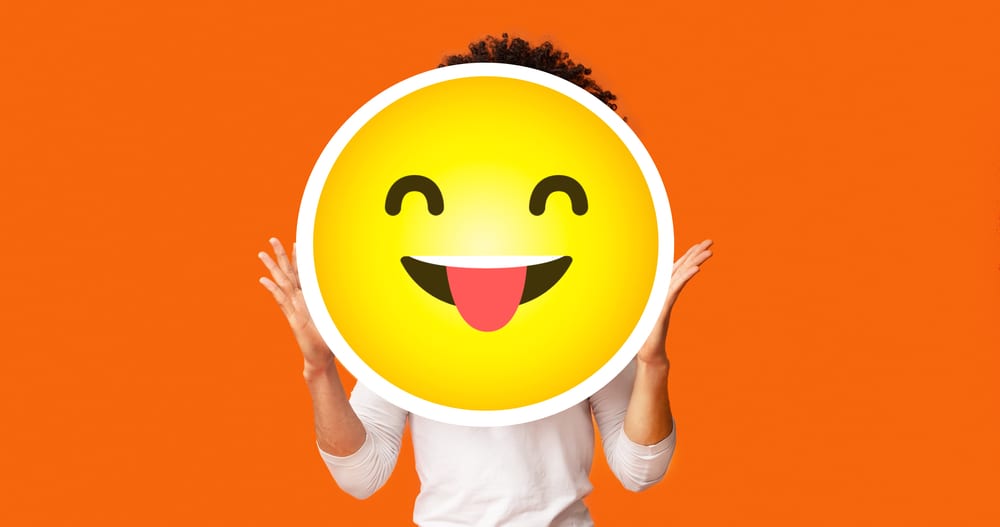
Gen Z doesn’t see the smiley face emoji the way many parents do.
They’ve redefined its meaning in ways that could leave you scratching your head if you’re communicating with them
The smiley face emoji, once a go-to icon of joy, has taken on a more complicated tone among this generation.
Instead of conveying happiness, Gen Z interprets it as sarcastic, passive-aggressive, or even dismissive.
This shift mirrors their view on other emojis, like the thumbs up emoji, which many older folks might think simply means “good job.”
This new take on the smiley face isn’t exactly groundbreaking.
In 2021, the Wall Street Journal featured a detailed exploration of how Gen Z views this emoji, highlighting their sentiments.
A teenager back then, Hailey Francisco, shared an interesting anecdote about her cheerleading team’s experience.
She revealed that their coach often sent them the smiley face emoji in texts.
During a basketball game, a teammate noted how the smiley came off as passive-aggressive, leaving Coach Anderson stunned.
Hafeezat Bishi, another Gen Z voice, expressed her surprise when a co-worker used the smiley face to greet her on her first day of an internship.
She remarked, “I had to remember they are older, because I use it sarcastically.”
It seems that understanding emoji nuances can be a challenge.
The emoji landscape has dramatically evolved since Apple introduced emojis in 2008, and their international introduction followed in 2011.
Android joined the game in 2013, and now, the emoji options have ballooned to almost 4,000 choices.
The smiley face isn’t alone in its reinterpretation.
For Gen Z, different emojis bring unique meanings.
The skull emoji signals “I’m dead from laughing,” while the fire emoji can mean something is “lit.”
There’s even an entire subculture dedicated to flirting through emojis, with ghost and devil smiley emojis also playing their roles.
As parents continue to adapt to teen slang and vernacular, embracing these changes in emoji meanings is equally important.
A simple smiley face could convey something entirely different than intended, creating unintentional misunderstandings.