


















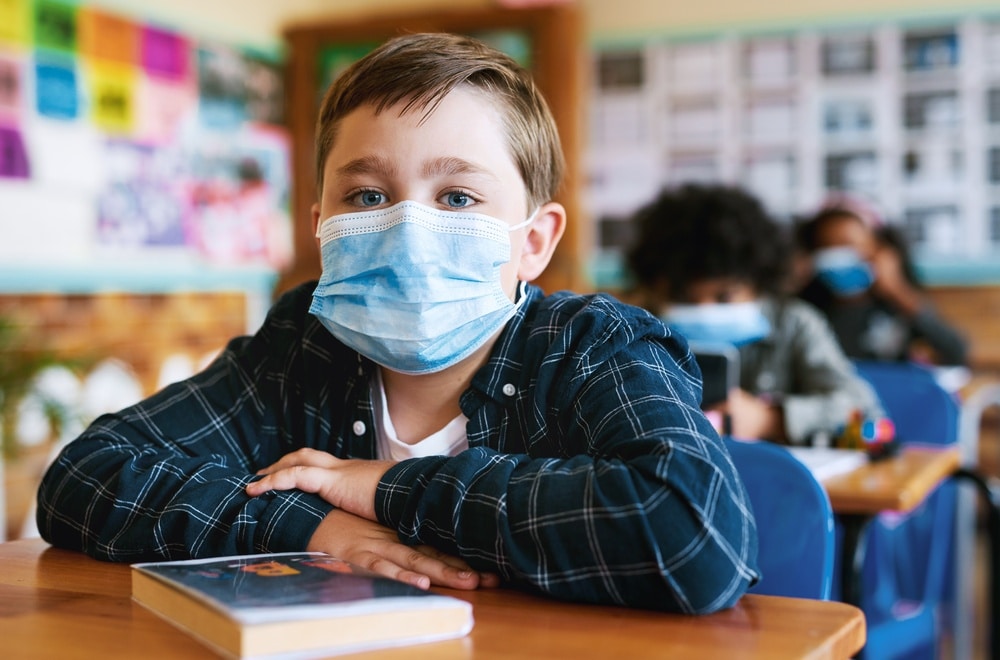
As the autumn leaves begin to turn, a familiar cycle often begins in households across the country. Children return to their classrooms, reconnect with friends, and inevitably bring home more than just homework. It is a common experience: one child develops a scratchy throat, and within a week, the entire family is dealing with a lingering cough. This “relay race” of germs is backed by data, with research indicating that approximately 30 to 40 percent of flu transmission occurs right inside the home, often with children serving as the primary bridge between the classroom and the living room.
To help parents navigate this season, Dr. Jen Caudle, a board-certified family physician and professor, suggests focusing on manageable strategies rather than striving for an impossible standard of “germ-proofing.” While it is developmentally normal for children to catch up to six colds per year as they build their immune systems, there are practical ways to make your home less inviting to the viruses they carry through the door.
Identifying Key Entry Points for Back-to-School Germs
The majority of pathogens enter your home exactly how your family does: through the front door. “Transition periods”—the moments when everyone arrives home from school or work—are the most critical times for germ transfer. The floor near your entryway often bears the brunt of this. Studies have shown that the soles of shoes can carry hundreds of thousands of bacteria, including coliform, which are easily transferred to clean indoor flooring within just a few steps.
The most effective solution is a consistent “no-shoes” policy. By leaving footwear at the entrance, you create a physical barrier that significantly reduces the debris and microbes tracked into the areas where children play and eat. While experts note that shoe-borne germs rarely cause serious illness on their own, this simple habit acts as an easy layer of protection for the household environment.
Prioritizing the Kitchen Over the Bathroom for Hygiene
Many parents focus their deepest cleaning efforts on the bathroom, but research from the National Sanitation Foundation suggests the kitchen is actually the most germ-heavy room in the house. In fact, kitchen sponges often harbor significantly more bacteria than bathroom faucet handles. Because the kitchen is a central hub for eating and homework, it requires specific attention during the school year.
Focus your sanitizing efforts on surfaces where children congregate, such as countertops and dining tables. Beyond the obvious “high-touch” spots like doorknobs and light switches, remember to periodically clean the items that travel back and forth to school every day. Lunchboxes, water bottles, backpacks, and favorite toys are frequently overlooked but can easily be wiped down to prevent them from becoming mobile germ stations.
Creating Sustainable Handwashing Habits for Kids
Hand hygiene is the most effective way to stop the spread of illness, but getting a young child to scrub for the recommended twenty seconds can be a challenge. Rather than lecturing, try providing a concrete “finish line.” For example, tell them to keep scrubbing until all the soap bubbles have completely disappeared or use a favorite song to help them track the time.
The most successful hygiene routines are the ones that become automatic. Establish a firm rule: as soon as the backpack is put away, hands must be washed before any snacks are served. While hand sanitizer is a great tool for the car or the school pick-up line, traditional soap and water remain the best option for cleaning hands that are visibly dirty or greasy from a day of play.
Maintaining a Healthy Perspective on Seasonal Illness
It is important for parents to remember that a child getting sick is not a reflection of parenting quality. In an environment of shared classrooms and close-contact play, some level of exposure is unavoidable. By managing the entryway, keeping kitchen surfaces clean, and turning handwashing into a routine habit, you can reduce the viral load in your home. Ultimately, seasonal illnesses will come and go, and while you can take steps to mitigate the spread, these minor bugs are often just a standard part of a child’s growth and social development.