



















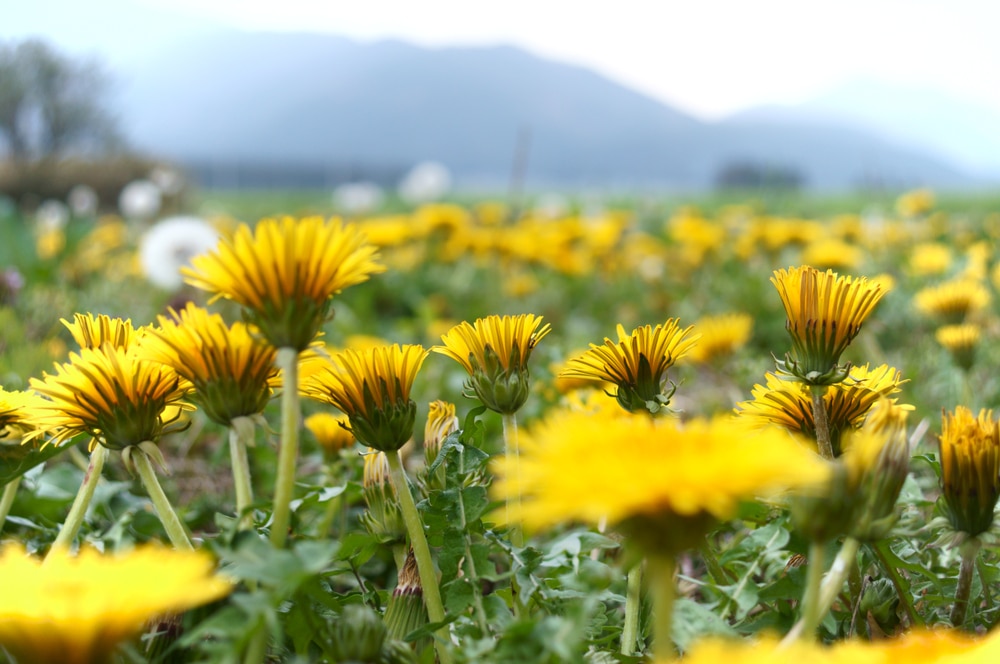
Crafting homemade lotions and balms is a rewarding way to bring natural, effective skincare into your daily routine. Not only is DIY skincare more budget-friendly than store-bought alternatives, but it also allows you to control exactly what goes onto your skin. This dandelion salve is a perfect example of how a common “weed” can be transformed into a powerful remedy for your home apothecary.
While many gardeners view dandelions as a nuisance, they are actually packed with nutritional and therapeutic potential. The young leaves serve as a bitter green for salads, the roots can be roasted into a coffee-like beverage, and the bright yellow blossoms are often used for syrups or jellies. Beyond internal use, dandelions offer significant benefits when applied topically to the skin.
Therapeutic Advantages of Using Dandelion Topically
Although modern research is still catching up to centuries of traditional use, science is beginning to validate the healing properties of dandelions. Historical and anecdotal evidence has long pointed to its efficacy, and recent studies provide some interesting insights into why it works so well.
A 2022 study exploring dandelion essential oil highlighted its potent antioxidant capabilities. In lab settings, the oil demonstrated an ability to inhibit certain cellular growth patterns, suggesting that the volatile oils within the plant are highly effective at maintaining cellular health. Furthermore, research into dandelion seed oil confirms its high antioxidant concentration. When used in a topical salve, these antioxidants provide several key benefits for the skin:
- Helps minimize the signs of aging and prevents cellular damage.
- Locks in hydration for smoother, softer skin.
- Reduces the visibility of fine lines and wrinkles.
- Encourages natural collagen production for better elasticity.
- Provides a soothing environment for skin recovery and healing.
Traditionally, this salve is a favorite for those seeking relief from minor inflammation, specifically targeting tired muscles and achy joints after a long day of physical activity.
Supporting Ingredients for Maximum Efficacy
While dandelion is the star of the show, the supporting ingredients in this recipe enhance the salve’s texture and healing potential. Shea butter is included for its deep moisturizing properties. Historically used by indigenous healers to soothe muscle strains and joint discomfort, it helps give the salve a creamy, spreadable consistency while softening the skin.
Beeswax is another essential component. It acts as a natural thickening agent and creates a breathable protective barrier on the skin’s surface. This barrier helps retain moisture without clogging pores. Beeswax is also naturally rich in polyphenols and minerals, providing an extra layer of antioxidant protection for your skin cells.
Enhancing Your Salve with Essential Oils
The addition of essential oils is optional, but they can significantly boost the therapeutic value of your salve. For muscle-focused blends, oils like marjoram, basil, or frankincense are excellent choices. Frankincense, in particular, is highly regarded for its skin-protective qualities. If you are looking for a more calming, skin-soothing blend, lavender is a timeless addition.
For a batch focused on recovery and inflammation, a combination of frankincense, turmeric, and spikenard essential oils offers a robust profile of benefits.
A Step-by-Step Guide to Crafting Dandelion Salve
The process begins with a mindful harvest. Dandelions are incredibly efficient at absorbing nutrients—and toxins—from their environment. Always harvest from areas you know have not been treated with chemical pesticides or herbicides, and avoid spots frequently visited by pets. While the flowers are most commonly used for this recipe, dandelion leaves contain many similar beneficial properties and can be used if blossoms are scarce.
Properly Preparing and Drying Your Flowers
Before you can infuse your oil, the flowers must be dried. Avoid washing them if possible, as the extra moisture can cause the blossoms to clump or mold. Instead, spread them out on a clean towel and carefully check for any small insects.
Allow the flowers to sit in a warm, sunny location for several days until they are wilted and the moisture has evaporated. This drying step is critical; if there is too much water left in the plant material, your finished oil may develop mold.
Creating the Dandelion-Infused Base Oil
Once your dandelions are thoroughly dried, you can begin the infusion. Place the blossoms into a clean, dry glass jar, filling it between halfway and two-thirds full. Cover the flowers completely with a liquid carrier oil. Olive oil, sweet almond oil, or avocado oil are all excellent choices. If you prefer coconut oil, ensure the jar remains in a warm spot so the oil stays liquid during the infusion process.
Seal the jar and let it sit in a sunny windowsill for several weeks. When the infusion is complete, strain the mixture through several layers of cheesecloth to remove the plant material, leaving you with a potent, golden dandelion oil ready for the recipe below.
Homemade Dandelion Salve Recipe
This simple formula creates a multipurpose balm that is perfect for soothing the body and protecting the skin. It yields approximately 5 ounces of finished product.
Prep time: 3 minutes
Active time: 12 minutes
Cooling time: 1 hour
Instructions:
- Using a double boiler or a heat-safe glass bowl set over a pot of simmering water, combine your dandelion-infused oil, shea butter, and beeswax.
- Stir the mixture occasionally over medium heat until the beeswax and shea butter have completely melted into the oil.
- Remove from the heat. If you are using essential oils or vitamin E oil for extra preservation, stir them in now.
- Carefully pour the liquid salve into clean glass jars or metal tins.
- Place the containers in the refrigerator for about an hour to allow the salve to set and firm up.
To maintain the quality of your salve, store it in a cool, dry place. When stored correctly, it should remain effective for up to one year. If you notice the oil beginning to smell rancid, it is time to discard it and make a fresh batch.
Expanding Your Herbal Apothecary
Once you have mastered the dandelion salve, you can use the same infusion and melting techniques with other herbs like calendula, comfrey, or plantain to address different skin needs. Making your own remedies is a journey toward self-sufficiency and natural wellness for the whole family.
Final Thoughts on Natural Skin Support
Dandelion salve is a testament to the healing power of nature that often sits right in our backyards. By taking the time to harvest and infuse these resilient flowers, you create a versatile tool for your household that supports both skin health and muscle recovery. It is a simple, effective way to embrace a more natural lifestyle while honoring traditional herbal wisdom.