




















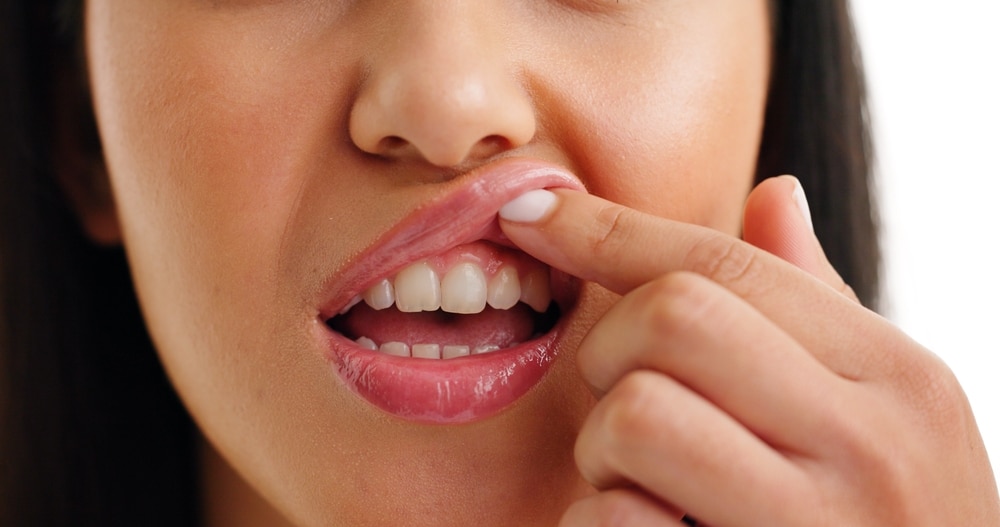
Achieving a radiant and healthy smile involves much more than just a quick brush every morning and night. For many, underlying dental conditions can quietly impact both oral hygiene and general wellness. From the simple nuisance of a small cavity to the more serious implications of advanced periodontal issues, these concerns can quickly worsen if they aren’t addressed by a professional.
In this comprehensive overview, we will look at the most frequent dental challenges, examining what triggers them, how to identify the warning signs, and the modern clinical approaches used to restore oral health.
Understanding Common Dental Health Conditions
Dental diseases refer to various conditions that compromise the structure and function of the teeth. These issues can affect the outer enamel, the sensitive inner dentin, the central pulp, or the gums and bone that provide support. The severity of these conditions varies widely, ranging from minor surface stains to deep-seated infections that may require surgical intervention.
Most oral health problems stem from a combination of hygiene habits, nutritional choices, genetic factors, and certain underlying medical states. Fortunately, when these issues are identified in their infancy, they can usually be managed with minimal discomfort and high success rates.
1. Cavities and Dental Decay
Primary Causes
Tooth decay remains one of the most widespread health issues globally. It occurs when oral bacteria consume sugars and starches from our diet, producing acidic byproducts. Over time, these acids dissolve the protective enamel, creating permanent damage.
Recognizing the Signs
- Increased sensitivity when consuming hot, cold, or sugary items
- Noticeable dark spots, pits, or holes on the surface of the tooth
- Persistent or sharp toothaches
- Surface discoloration or staining
Effective Treatment Options
- Early-stage intervention using professional fluoride applications
- Dental fillings to seal and repair small cavities
- Root canal therapy for infections that have reached the inner pulp
- Custom crowns to restore the integrity of a badly damaged tooth
2. Periodontal and Gum Disease
Primary Causes
This inflammatory condition affects the tissues surrounding and supporting the teeth. It typically begins as gingivitis—marked by surface inflammation—and can advance to periodontitis, where the bone and fibers holding teeth in place are destroyed.
Recognizing the Signs
- Gums that appear red, swollen, or bleed during flossing
- Chronic bad breath that doesn’t improve with rinsing
- The appearance of “longer” teeth due to receding gum lines
- Teeth that feel unstable or loose
Effective Treatment Options
- Deep professional cleaning to remove irritating buildup
- Scaling and root planing to smooth the tooth roots and clear bacteria
- Detailed assessment of gum pockets using specialized periodontal probes
- Advanced surgical procedures for severe tissue or bone loss
3. Chronic Tooth Sensitivity
Primary Causes
Sensitivity typically arises when the protective enamel thins or the gum line retreats. This exposes the dentin, which contains microscopic channels leading directly to the tooth’s nerve center.
Recognizing the Signs
- Sudden, sharp discomfort when exposed to extreme temperatures or acidic flavors
- Pain or stinging while performing routine brushing or flossing
Effective Treatment Options
- Using specialized desensitizing toothpastes
- Professional application of concentrated fluoride gels
- Applying dental sealants to protect exposed areas
- Surgical gum grafts to cover and protect exposed tooth roots
4. Fractured or Broken Teeth
Primary Causes
Physical trauma, biting down on exceptionally hard food, or long-term habits like jaw clenching can cause the tooth structure to crack or break entirely.
Recognizing the Signs
- Intermittent pain, particularly when releasing a bite
- Heightened sensitivity to temperature changes
- Visible fractures or missing pieces of the tooth
Effective Treatment Options
- Cosmetic bonding or the placement of protective crowns
- Root canal therapy if the fracture has compromised the internal pulp
- Extraction if the damage extends too far below the gum line
5. Enamel Erosion
Primary Causes
Erosion happens when the tooth’s surface is worn away by chemical processes. This is frequently linked to high consumption of carbonated or acidic drinks, or medical conditions like acid reflux.
Recognizing the Signs
- Increased tooth sensitivity
- Yellowing as the underlying dentin becomes more visible
- Teeth appearing rounded or “sandwiched” at the edges
Effective Treatment Options
- Strengthening the remaining enamel with fluoride treatments
- Restoring appearance and function with veneers or crowns
- Making strategic dietary adjustments to reduce acid exposure
6. Dental Abscesses
Primary Causes
An abscess is a localized collection of pus resulting from a bacterial infection. This usually develops from a cavity that was left untreated or a deep injury to the tooth.
Recognizing the Signs
- Intense, throbbing pain that may radiate to the jaw or neck
- Visible swelling in the gums, face, or cheek
- Unexpected fever or general malaise
- Tender or swollen lymph nodes under the jaw
Effective Treatment Options
- Course of antibiotics to eliminate the infection
- Root canal procedure to save the natural tooth structure
- Tooth extraction if the infection is too widespread
- Surgical drainage of the infected area
7. Impacted Teeth
Primary Causes
A tooth is considered impacted when it is blocked from erupting through the gum line, often due to overcrowding. This is most common with third molars, or wisdom teeth.
Recognizing the Signs
- Tenderness and swelling at the back of the jaw
- Difficulty or discomfort when opening the mouth
- Recurrent infections in the surrounding gum tissue
Effective Treatment Options
- Surgical removal of the tooth to prevent further crowding or pain
- Precision extraction using specialized oral surgical tools
8. Bruxism (Teeth Grinding)
Primary Causes
Grinding or clenching often happens unconsciously during sleep and is frequently triggered by stress, sleep apnea, or an improper bite alignment.
Recognizing the Signs
- A dull, constant ache in the jaw or face
- Teeth that appear flattened or worn down
- Frequent morning headaches
- Chips or damage to the enamel without clear injury
Effective Treatment Options
- Custom-fitted night guards to cushion the teeth
- Stress reduction and relaxation techniques
- Orthodontic work to correct the bite alignment
9. Tooth Discoloration
Primary Causes
Staining can occur for many reasons, including frequent consumption of coffee or tea, tobacco use, inadequate hygiene, or as a side effect of certain medications.
Recognizing the Signs
- Yellow, brown, or gray shades on the teeth
- Mottled or uneven patches of color across the smile
Effective Treatment Options
- Professional dental prophylaxis (cleaning)
- Clinical teeth whitening procedures
- Application of veneers for a uniform, bright appearance
The Essential Tools Used in Modern Dentistry
To provide high-quality care, dental professionals utilize a range of precision instruments designed for diagnosis and treatment. These tools ensure that procedures are as accurate and comfortable as possible.
- Dental Mirrors: Allow for a clear view of the back of teeth and hidden crevices.
- Probes and Explorers: Used to check for soft spots in enamel and measure the health of gum pockets.
- Scalers and Curettes: Essential for scraping away hardened plaque (tartar) above and below the gum line.
- Excavators: Designed to gently remove decayed material before a filling is placed.
- Elevators and Forceps: Specifically used for the safe and efficient extraction of teeth.
- Restorative Tools: Used to shape and carve filling materials or remove old crowns.
Proactive Steps for Preventing Dental Issues
Investing time in prevention is the most effective strategy for avoiding painful emergencies and expensive clinical work. A consistent routine can preserve your natural teeth for a lifetime.
Key Preventive Strategies:
- Clean your teeth at least twice a day using a fluoride-fortified toothpaste.
- Incorporate daily flossing to remove debris from between teeth where brushes can’t reach.
- Limit your intake of sugary snacks and highly acidic beverages.
- Drink plenty of water to help wash away food particles and maintain saliva flow.
- Schedule professional examinations and cleanings every six months.
- Wear a protective guard if you have a habit of clenching or grinding.
Knowing When to Schedule a Dental Consultation
Many people delay seeing a professional, hoping that minor discomfort will resolve on its own. However, early symptoms are often the body’s way of signaling that something needs attention before it becomes a major problem.
Watch for These Red Flags:
- Bad breath that persists despite good hygiene
- Any new or localized tooth pain
- Gums that bleed regularly during cleaning
- Feeling a tooth move or shift in its socket
- Sores or lesions in the mouth that do not heal within two weeks
Frequently Asked Questions
1. Which dental issue is diagnosed most often?
Tooth decay, or dental caries, is the most common condition. It affects individuals of all ages and is primarily the result of plaque buildup and dietary habits.
2. Can poor oral health affect the rest of my body?
Yes, research shows a strong connection between oral health and systemic wellness. Untreated gum disease has been linked to an increased risk of heart disease, diabetes complications, and respiratory issues due to the spread of bacteria through the bloodstream.
3. How can I support my dental health through lifestyle?
Maintaining a balanced diet rich in vitamins, staying hydrated, avoiding tobacco, and being diligent with your daily hygiene routine are the best ways to support your teeth naturally.
A Proactive Approach to Lasting Oral Health
Understanding the common diseases that can affect your teeth and gums is the first step toward a lifetime of healthy smiles. By recognizing the early symptoms of decay, gum disease, or bruxism, you can seek help before invasive treatments become necessary. Combining a dedicated at-home routine with regular professional checkups ensures that your oral health remains a priority, protecting not just your smile, but your overall quality of life.