


















While often overlooked, light is a powerful biological signal that influences nearly every aspect of our wellness. Integrating intentional light exposure into a daily routine is a simple yet transformative tool for health. From the way the sun affects our hormones to the impact of artificial lighting on our sleep, understanding the science of light can significantly improve your quality of life. Healthy light exposure acts as a foundation, amplifying the benefits of other wellness habits like hydration, nutrition, and stress management.
Unlocking the Healing Potential of Natural Sunlight
Direct sunlight is a vital nutrient for the body. When our skin and eyes are exposed to natural light, it triggers the production of vitamin D and supports a robust immune system, bone density, and hormonal balance. Sunlight also plays a critical role in mood regulation, helping to stave off seasonal blues and improve overall emotional well-being.
Despite these benefits, modern lifestyles often keep us indoors. Recent data suggests that many children spend less than ten minutes in outdoor play daily, while a significant portion of adults spend less than fifteen minutes outside. Moving away from flickering artificial bulbs and prioritizing time in the sun at different intervals throughout the day can lead to profound health shifts.
Maximizing Vitality Through Early Morning Sun
The light found at sunrise is uniquely beneficial. Because it contains a high concentration of red and near-infrared wavelengths, morning light helps soothe the body and prepare it for the day ahead. Many people find that early light exposure is a non-negotiable tool for managing energy levels and supporting recovery from chronic fatigue or autoimmune conditions. Stepping outside shortly after waking helps set a positive tone for your metabolic health and mental clarity.
How Light Regulates Your Circadian Rhythm and Stress Response
Your circadian rhythm is the internal 24-hour clock that governs everything from digestion to sleep cycles. According to clinical research, this rhythm is heavily influenced by light exposure. Viewing the sunrise and sunset provides the brain with the necessary signals to coordinate hormone release correctly.
Light also dictates our cortisol patterns. While cortisol is often labeled a “stress hormone,” it is essential for daytime alertness. However, exposure to “junk light”—specifically blue light from screens—at inappropriate times can disrupt these natural rhythms. Proper light timing ensures your cortisol peaks in the morning when you need it and tapers off in the evening to allow for restorative rest.
Smart Sun Exposure: Rethinking Sunscreen and Skin Health
While protecting the skin from burns and long-term damage is essential, over-reliance on high-SPF sunscreens can prevent the body from receiving the benefits of the sun. A balanced approach involves building a “solar callus” through gradual exposure and using protective clothing or shade when necessary. When choosing topical protection, opting for mineral-based formulas can provide a safer alternative to conventional chemical sunscreens, allowing you to enjoy the benefits of sunbathing without the risks associated with burning.
The Growing Role of Targeted Red Light Therapy
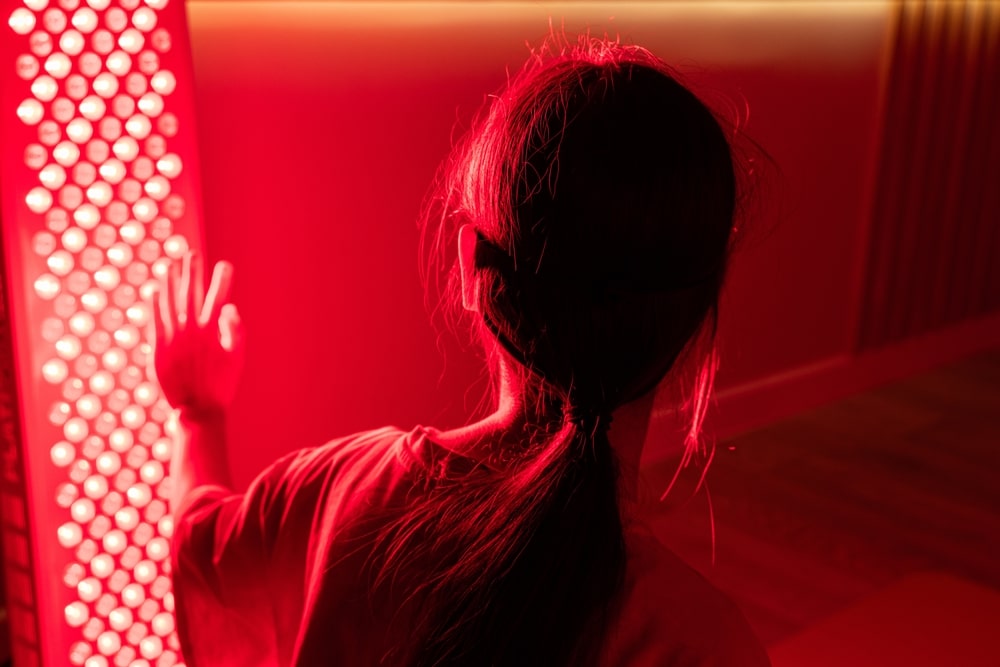
Red light is naturally abundant during the “golden hours” of dawn and dusk. For those looking for more concentrated benefits, red light therapy devices offer a way to support cellular health at home. These tools, which range from full-body panels and blankets to specialized face masks and even oral health devices, use specific wavelengths to support mitochondrial function and tissue recovery. This therapy is an excellent supplement to natural sunlight for those looking to optimize their physical performance and skin vitality.
Optimizing Your Home with Health-Conscious Lighting
Indoor lighting can either support or sabotage your health. Many standard LED and fluorescent bulbs emit a subtle flicker that, while often invisible to the naked eye, can cause eye strain and nervous system stress. Furthermore, excessive blue light from overhead fixtures and digital devices in the evening suppresses melatonin, the hormone responsible for sleep. Transitioning to amber-toned bulbs or using blue-light-blocking strategies in the evening can help signal to your brain that it is time to wind down, leading to deeper and more refreshing sleep.
Deep Dives: Expert Guidance on Light and Longevity
Understanding the intersection of light, biology, and environment is a lifelong journey. Many leading health experts have shared their knowledge on how to leverage light as a superpower for the body. Topics of exploration include how light impacts the mitochondria, the relationship between sunlight and fertility, and the deceptive nature of modern vitamin D deficiency. By studying the mechanics of how light interacts with our DNA and hormones, we can better navigate the modern world while maintaining ancestral health standards.
- Techniques for using light to heal hormonal imbalances and improve cellular energy.
- The impact of environmental stressors like 5G and artificial light on longevity.
- Strategies for transforming your home lighting into a tool for wellness.
- Understanding the link between sunlight exposure and mitochondrial health.
- The role of light in regulating leptin levels and metabolic health.
- How to balance protein intake, nutrition, and light for an optimized lifestyle.
- Combatting chronic fatigue through the use of saunas and natural light.
Summary and Practical Steps for Healthier Lighting
Light is more than just a way to see our surroundings; it is a fundamental driver of our biological health. By prioritizing morning sunlight, managing your exposure to artificial blue light in the evening, and utilizing tools like red light therapy, you can significantly enhance your sleep, mood, and energy levels. These simple shifts in your daily environment create a foundation for long-term vitality. If you have integrated these light-based strategies into your own life, consider how your energy and sleep patterns have changed as a result.