




















In the past, many of us viewed potassium through a very narrow lens, perhaps only associating it with bananas or preventing the occasional leg cramp. However, as we look deeper into the way minerals function within our bodies, it becomes clear that potassium is a fundamental component of our internal electrical system. Despite its importance, it remains one of the most overlooked nutrients in the modern wellness conversation.
This oversight is particularly relevant today because so many people find themselves in a state of being “overfed but undernourished.” While we may consume an abundance of calories, our diets are often devoid of the essential minerals required for energy production, stress regulation, and cellular communication. For those of us striving to reconnect with more natural rhythms, potassium represents a vital, missing link that our ancestors once obtained readily from their environment.
Historically, human diets were rich in potassium-sourced from root vegetables, fresh fruits, and mineral-dense broths. Modern agricultural and dietary shifts have drastically reduced our intake of these items. By intentionally prioritizing potassium alongside other key minerals like sodium and magnesium, it is possible to experience a significant shift in energy levels, mood stability, and overall physical resilience.
The Critical Role of Potassium in Cellular Health
Potassium is the primary intracellular electrolyte, meaning it is the dominant mineral found inside our cells. In contrast, sodium resides mostly outside the cell membranes. The interaction between these two minerals creates the electrical charge necessary for our bodies to function. Moving beyond a purely chemical understanding of health allows us to see the body as an electrical system that requires specific “conductors” to work correctly.
Every heartbeat, muscle movement, and neurological signal depends on this electrical communication. Potassium is responsible for regulating how our nerves fire and how our muscles contract. It also helps maintain a steady heart rhythm and influences our psychological state. When potassium levels fall short, these electrical systems become unstable, leading to a wide array of systemic symptoms.
A helpful way to categorize the three major electrolytes is by their primary roles: sodium acts as the “charger,” magnesium serves as the “relaxer,” and potassium functions as the “balancer.” Potassium works quietly in the background to stabilize the system and ensure cells communicate efficiently. Without an adequate supply, the body can feel as though its internal “wiring” is fraying.
How the Sodium-Potassium Pump Powers Your Body
One of the most essential biological functions is the sodium-potassium pump. This mechanism is constantly at work, moving sodium out of the cell and pulling potassium in to maintain an electrical gradient. This process is energy-intensive; in fact, the body uses a significant portion of its total daily energy just to keep these pumps running.
This constant exchange powers everything from brain function and nerve signaling to the rhythmic beating of the heart. Because minerals are the fuel for this electrical balance, they are foundational to our energy levels. When potassium is insufficient, the sodium-potassium pump loses efficiency.
The result of this inefficiency is often experienced as chronic fatigue, cognitive fog, a sluggish metabolic rate, or heightened anxiety. While health discussions often focus heavily on hormones or caloric intake, the underlying mineral balance is frequently the missing piece in solving the puzzle of low energy and chronic stress.
Supporting a Resilient Nervous System with Potassium
Potassium plays a vital role in modulating the nervous system. While sodium is responsible for activating nerve signals, potassium is what allows those nerves to reset and return to a baseline state. If potassium is lacking, the nerves may remain in a state of over-excitation or fail to recover properly after firing.
This relationship explains why low potassium can manifest as heart palpitations, muscle twitches, or a general sense of internal shakiness. In an era where many people feel trapped in a perpetual “fight-or-flight” response, minerals can provide the physiological safety needed for the nervous system to calm down. Ensuring adequate mineral intake can make the body feel more resilient to external stressors, acting as a stabilizing force for the entire system.
Balancing Blood Sugar and Metabolic Health
The connection between potassium and blood sugar regulation is often overlooked. Cells require potassium to effectively transport glucose from the bloodstream. When levels are low, insulin efficiency may decrease, forcing the body to work harder to maintain stable blood sugar levels.
In some cases, a potassium deficiency can mimic the symptoms of insulin resistance, even in individuals who follow a nutrient-dense diet. This becomes particularly important during hormonally significant life stages such as pregnancy, the postpartum period, perimenopause, and menopause. During these times, the body’s requirement for minerals increases significantly.
Energy issues are rarely just about the number of carbohydrates consumed; they are also about the body’s ability to process those carbohydrates. Potassium is a critical facilitator in that metabolic process.
Factors Contributing to Modern Potassium Depletion
A vast majority of people do not meet the recommended daily intake for potassium, which generally ranges between 3,400 and 4,700 milligrams. Most adults consume only a fraction of this amount. Several factors contribute to this widespread deficiency.
First, the modern diet is often centered around processed foods that are high in sodium but stripped of potassium. This creates a sharp mineral imbalance that negatively impacts hydration and cellular function. Second, certain dietary trends, such as strict low-carb or ketogenic diets, often eliminate some of the best natural sources of potassium, including starchy tubers, fruits, and legumes. While these diets may offer other benefits, the resulting mineral gap must be intentionally filled.
Finally, chronic stress accelerates the loss of potassium. High levels of cortisol signal the kidneys to excrete more potassium through urine. This means that ongoing emotional or physical stress physically alters our mineral balance, creating a cycle that further depletes our reserves.
The Impact of Potassium on Digestive Motility
Potassium is essential for the smooth muscle contractions that move food through the digestive tract. When potassium levels are insufficient, the muscles in the gut become sluggish, leading to digestive issues.
Common signs of this deficiency include constipation, bloating, and a slow transit time. While many people focus solely on fiber for gut health, minerals are equally important for maintaining proper motility. Furthermore, because potassium is an electrolyte, it plays a key role in hydration, which is also necessary for a healthy digestive system.
Common Indicators of a Potassium Deficiency
Identifying a potassium deficiency can be challenging because standard blood tests do not always reflect the amount of potassium stored inside the cells. The body works hard to keep blood levels within a very tight range, even if cellular levels are dangerously low. However, several physical cues can indicate a need for more potassium:
- Persistent fatigue and low energy
- Frequent muscle cramps or spasms
- Digestive sluggishness, including bloating and constipation
- Unstable blood sugar levels
- Heart palpitations or elevated blood pressure
- Feelings of anxiety or internal tremors
- Fluid retention and intense cravings for salt
While these symptoms can stem from various causes, addressing mineral balance is a logical first step, given how common potassium deficiency has become.
The Synergistic Relationship of the Electrolyte Trifecta
Potassium should not be viewed in isolation; it works in tandem with sodium and magnesium. These three minerals form an “electrolyte trifecta” that governs fluid balance and cellular health. Sodium manages fluid outside the cells, potassium manages fluid inside the cells, and magnesium facilitates the processes that keep them both in balance.
If potassium is low, the body may retain excess sodium, leading to high blood pressure and puffiness. Additionally, if the electrical environment of the cell is compromised due to low potassium, even magnesium supplements may feel less effective. True health requires all three minerals to be present in the correct proportions.
Nutrient-Dense Food Sources to Boost Potassium Intake
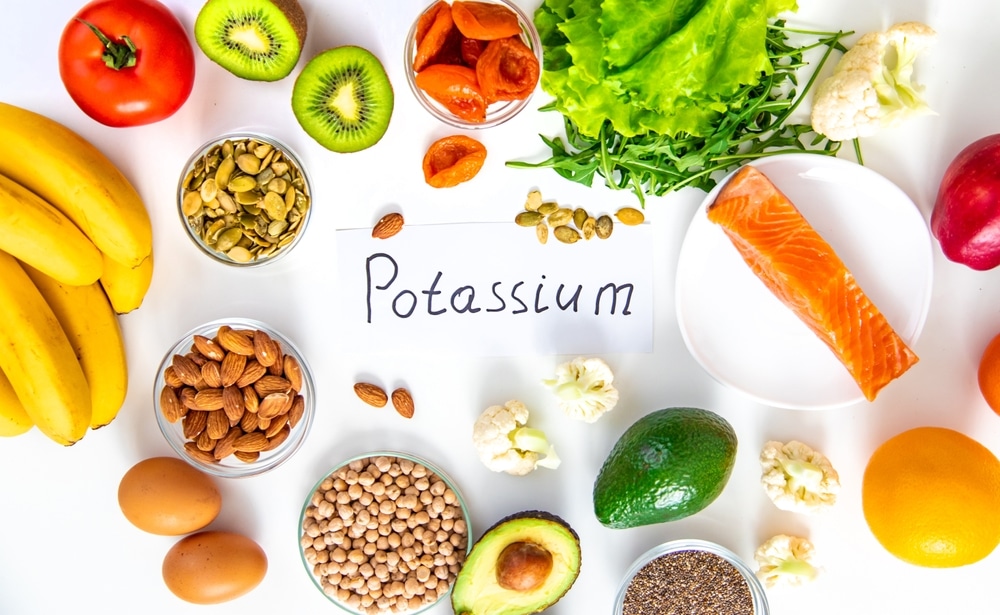
Increasing potassium intake is best achieved through whole, nutrient-dense foods. While bananas are the most famous source, many other foods offer much higher concentrations. Top sources include:
- Potatoes and sweet potatoes
- Avocados
- White beans and other legumes
- Coconut water
- Dark leafy greens and spinach
- Melons and citrus fruits
- Winter and summer squash
- Tomatoes
- Wild-caught salmon
- Beets
- Kiwi and pomegranate
Adapting your intake to the seasons can be a natural way to maintain balance. Hydrating fruits and coconut water are excellent for the warmer months or after physical activity, while root vegetables provide a grounding source of minerals during the colder months.
Safety Considerations for Potassium Supplementation
While food should always be the primary source, some individuals may choose to supplement. However, potassium requires more caution than magnesium or sodium. The body is very sensitive to rapid shifts in potassium levels, and excessive amounts can be hazardous, potentially affecting heart rhythm and muscle function.
Most over-the-counter potassium supplements are restricted to small doses for safety. Because potassium has such a direct impact on the heart’s electrical signaling, the goal should be balance rather than high-dose supplementation. Using balanced electrolyte blends or food-based powders can be a safer way to bridge the gap if dietary intake isn’t sufficient.
Recharging the Body’s Internal Electrical System
By shifting our perspective to view the body as an electrical system, the importance of minerals becomes undeniable. Potassium is the key to maintaining a stable electrical environment, which translates to steady energy, calm nerves, and efficient metabolism.
Addressing a mineral deficiency can often lead to more significant improvements than focusing on calories or macros alone. When the body has the minerals it needs to communicate at a cellular level, what once felt like chronic stress or unexplainable exhaustion often begins to resolve.
Key Takeaways for Mineral Balance and Vitality
Potassium is an essential but frequently ignored pillar of health. It influences everything from our hormones and heart health to our digestion and mood. In our modern, high-stress environment, prioritizing potassium alongside sodium and magnesium is a foundational step toward better health. By focusing on mineral-rich whole foods and mindful supplementation, you can help your body function with greater ease, stability, and resilience.