















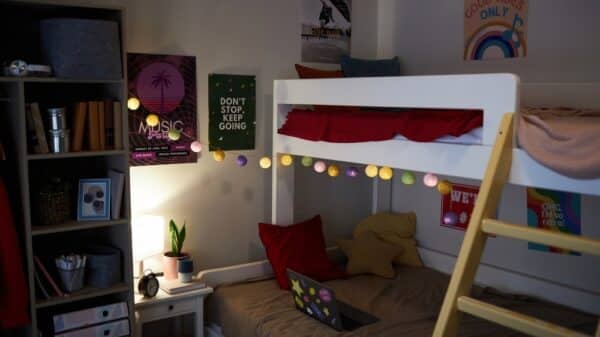

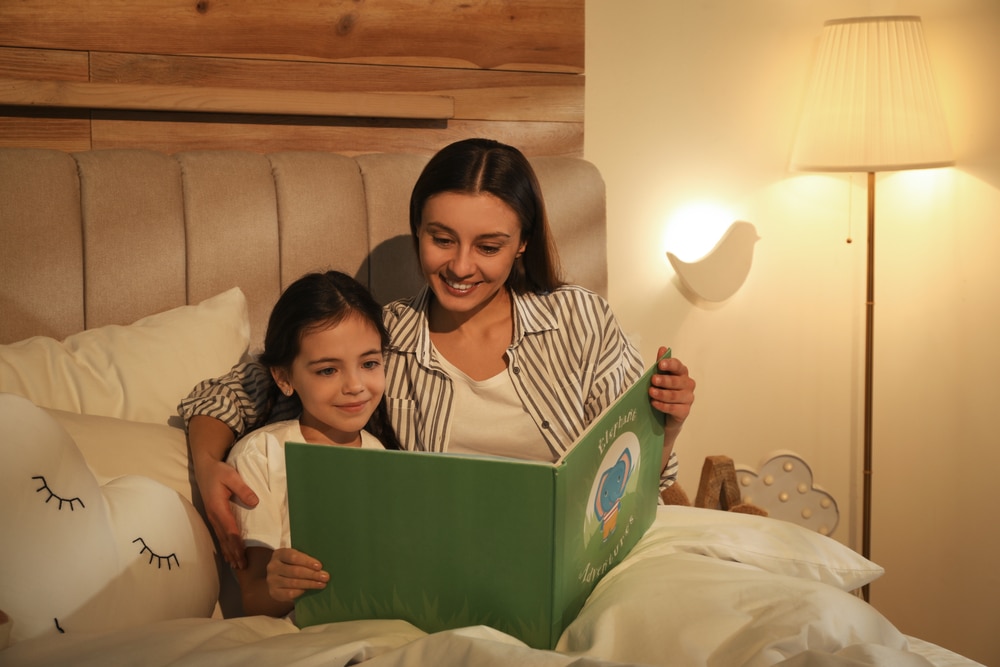
In my years of consulting with pediatricians and wellness experts, I’ve found that while they may disagree on certain dietary philosophies or developmental milestones, there is one non-negotiable pillar they all share: the absolute necessity of high-quality sleep. Yet, in our quest to make our children feel safe and comfortable, many of us inadvertently sabotage their biological rest by introducing a common household staple—the night light.
When I first audited our family’s sleep hygiene, the most profound shift didn’t come from a new mattress or a fancy white noise machine; it came from embracing total darkness. Creating a “sleep cave”—an environment that is cool, quiet, and pitch black—is one of the most effective ways to boost a child’s energy levels and cognitive function. Turning off that “ever-present” night light isn’t just a preference; it’s a biological requirement for optimal health.
What’s the Problem With Night Lights?
The human body is governed by a circadian rhythm—an internal clock that relies on external cues, primarily light and dark, to regulate systemic functions. When we introduce artificial light during the night, we disrupt this delicate balance. Exposure to light after sundown is increasingly linked to hormonal imbalances, cognitive “fog,” and even more serious long-term health risks like depression and certain metabolic disorders.
The biological culprit here is the suppression of melatonin. Melatonin is often called the “vampire hormone” because it only comes out in the dark. Even when a child’s eyes are closed, their brain can detect light through their eyelids. This sends a confusing signal to the pineal gland, suggesting it is daytime and halting the production of the very chemicals needed for deep, restorative cellular repair.
Historically, humans spent their nights in near-total darkness, perhaps punctuated only by the dim, warm glow of a fading fire. The widespread use of electric night lights is a relatively new phenomenon in human history, and our biology hasn’t caught up. Research, including data from the CDC, suggests that total darkness may even have a protective effect against certain cancers, highlighting how vital the absence of light is for our immune surveillance systems.
Night Light Free Zone Importance For Kids
For children, the stakes of nighttime light exposure are particularly high. It isn’t just about feeling “cranky” the next day; it’s about metabolic health. Studies have shown a compelling link between poor sleep quality and pediatric obesity. When sleep is interrupted by light, it can interfere with the hormones that regulate hunger—leptin and ghrelin—leading to increased cravings for carbohydrates and irregular blood sugar processing.
Beyond the duration of sleep, the consistency of the sleep-wake cycle is paramount. Disrupting this rhythm with artificial blue or white light can lead to “social jetlag,” where a child’s body never truly feels aligned with their daily schedule. Ensuring a dark environment helps stabilize these metabolic pathways before they become lifelong issues.
Why Sleep is So Critical For Kids
During the hours of darkness, a child’s brain is doing more than just resting; it is undergoing “housekeeping.” This is when the glymphatic system flushes out waste products from the brain and the hippocampus organizes the day’s learning into long-term memory. Without uninterrupted, dark-cycle sleep, children are more prone to a host of challenges, including:
- Emotional Dysregulation: Increased instances of anxiety, irritability, and mood swings.
- Cognitive Hurdles: Difficulties with concentration, academic performance, and memory retention.
- Physical Health: Weakened immune responses and a higher susceptibility to allergies.
- Behavioral Issues: Symptoms that frequently mimic ADHD, often stemming from chronic “brain fatigue.”
While blue light from tablets and TVs is a well-known enemy of sleep, many parents don’t realize that standard “white” night lights often emit the same stimulating blue wavelengths that tell the brain to stay alert.
Practical Changes For Better Sleep
Transitioning to a dark room doesn’t have to happen overnight, especially if your child has developed a psychological dependence on their night light. The goal is to move toward a spectrum of light that doesn’t interfere with melatonin. In our home, we prioritized “circadian lighting.” This means using bright, full-spectrum light in the morning to set the clock and shifting to warm, amber, or red tones as the sun goes down.
Red light is the least disruptive to the sleep cycle. If a child truly needs a light to feel safe or to navigate to the bathroom, switching to a red-toned bulb is a much healthier compromise than a standard blue or white LED. This allows for visibility without signaling the brain to stop producing melatonin.
Step by Step How to Ditch the Nightlights (Mostly)
If you’re ready to reclaim your child’s sleep environment, here is a tactical approach to weaning them off artificial nighttime light:
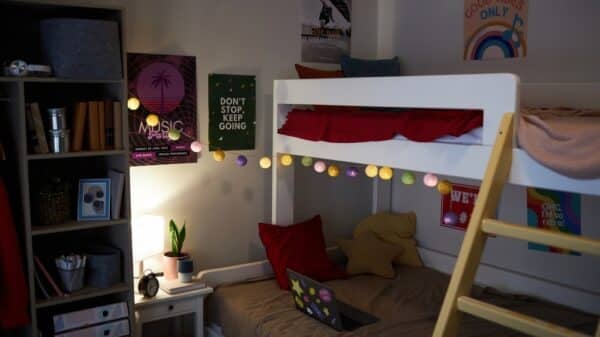
- Audit the Room: Remove alarm clocks with glowing numbers, power strips with LED “on” lights, and traditional night lights.
- Install Blackout Solutions: Use blackout shades or heavy curtains to block streetlights and the early morning sun, which can trigger premature waking.
- Introduce Sound Therapy: Sometimes children use light as a distraction from scary noises. A high-quality white noise machine or an air purifier provides a soothing “sound blanket” that makes the darkness feel less empty.
- Safe Hallway Lighting: Use red-toned salt lamps or motion-activated amber lights in hallways and bathrooms. This keeps their bedroom a total “dark zone” while providing a safe path if they wake up at night.
Helpful Tips For Better Sleep
The environment is only half the battle; the “wind-down” routine is the other. To help your child’s body prep for the dark, consider these additions to your evening:
- The “Digital Sunset”: Turn off all screens at least 60 to 90 minutes before bed. If a school assignment requires a screen, use blue-light-blocking glasses.
- Mineral Support: A transdermal magnesium spray or lotion applied to the feet can help relax the nervous system and promote deeper sleep cycles.
- Calming Rituals: A cup of herbal chamomile tea or a warm bath can signal to the body that it’s time to transition from “active mode” to “recovery mode.”
- Morning Sun: The best way to ensure a child sleeps well at night is to get them 10 minutes of direct sunlight as soon as they wake up. This anchors their circadian rhythm.
Let Them Be A Part of the Process
I have found that children—especially older ones—are far more cooperative when they understand the “why” behind the rules. Instead of simply removing their light, I explain it as “giving their brain a chance to clean itself” or “helping their body grow strong while they dream.” When they understand that darkness is a tool for their own health and athletic or academic performance, they often become the biggest advocates for their own sleep hygiene.
Final Thoughts on Night Lights
Re-evaluating the use of night lights is a small change that yields massive dividends for a child’s long-term health and daily well-being. While it may take a few nights of adjustment and some patient transition strategies, the result is a more resilient, focused, and hormonally balanced child. By respecting the biological need for darkness, we are giving our children one of the greatest gifts possible: the power of truly restorative rest.
Is your child’s room currently a “dark zone,” or are you still navigating the transition away from night lights? I’d love to hear how you handled the “fear of the dark” while prioritizing their health in the comments below!