

















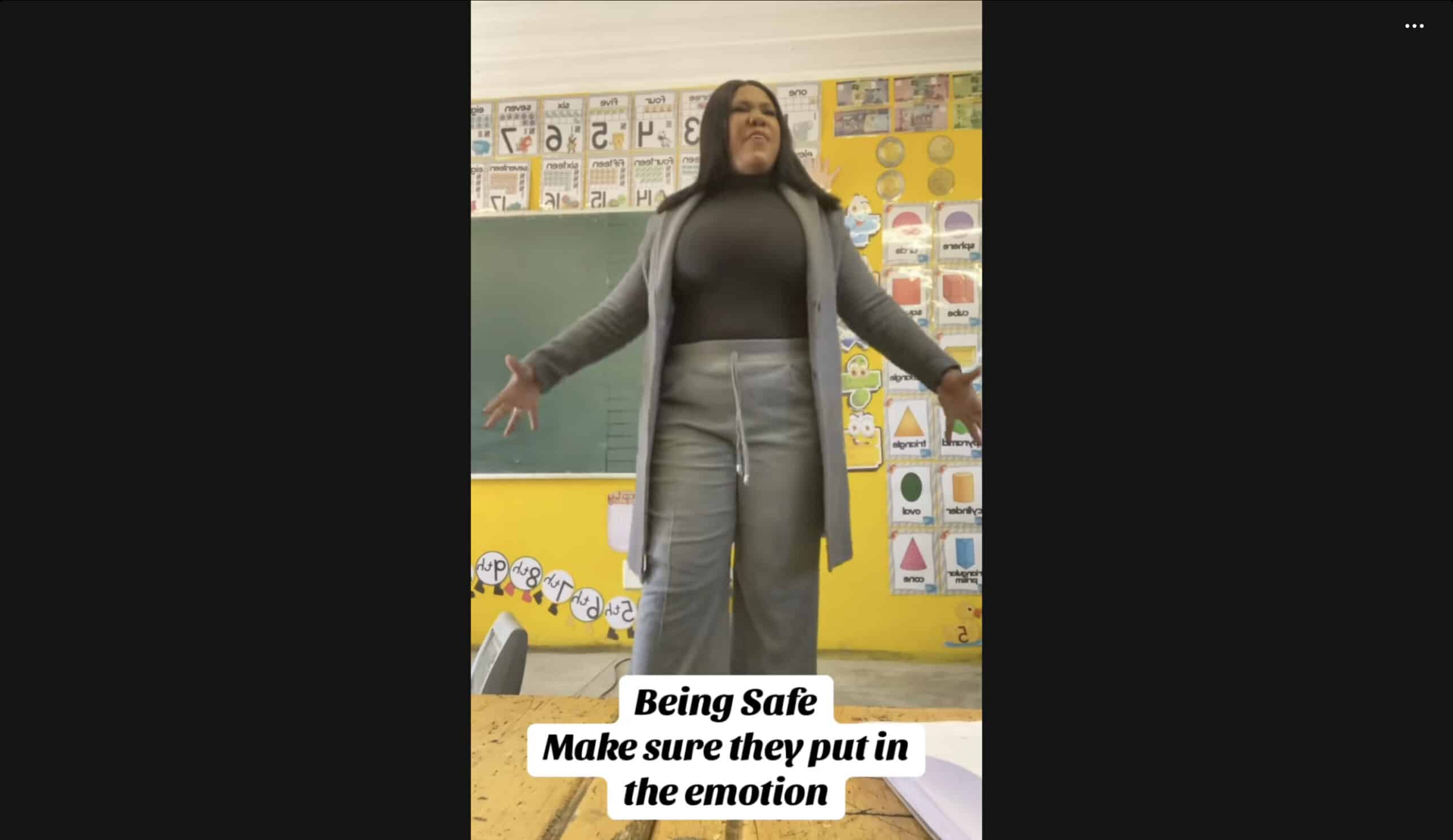
If you’ve been browsing TikTok recently, you might have come across a classroom filled with first-graders enthusiastically shouting about their private parts.
In the trending video, a teacher from Namibia engages her students in a lively call-and-response chant:
“These are my private parts!” “Nobody can touch them!”
She isn’t holding back; her energy is infectious. The children? They are matching her intensity as if they are at a Beyoncé concert.
The clip has garnered millions of views, and while some viewers commend the enthusiasm and others find it overly intense, experts suggest her assertive approach could be precisely what children require for their safety.
Related: 10 ways to discuss body safety and consent with your children
Why the “fierce” delivery matters
Child safety specialists concur: The manner in which we discuss body boundaries is equally crucial as the actual words we choose. Cincinnati Children’s Hospital notes that it’s common for children to giggle or act silly during discussions about body safety (especially when role-playing scenarios where they might feel unsafe), but this can significantly aid in making them feel more at ease and confident when confronting real-life situations. Showcasing assertiveness helps them mirror that behavior when it’s needed.
In essence: We cannot expect kids to yell “no!” in a frightening scenario if we only whisper about private parts at home. (We can save the softer tones for bedtime stories.)
Chants and songs like these provide kids with something called “body safety scripts”—brief, catchy phrases that enable them to identify body parts, affirm their ownership, and ask for help when necessary.
Related: ‘Good touch vs. bad touch’: A toddler’s lesson that highlights how straightforward body safety can be
What parents can do tonight
If you’re looking to reinforce this message in your home, experts recommend maintaining a basic and shame-free approach:
- Use proper names for body parts. This clarity aids kids in communicating effectively if they ever feel uncomfortable and diminishes the secrecy that abusers might exploit.
- Make “body autonomy” a core family principle. Encourage practice in saying “No, thank you” or “I don’t want a hug right now” without any pressure.
- Sing it! If your child enjoys music, transform a safety message into a song. You could say something like, “My body’s mine, from head to toe!” to the melody of “Head, Shoulders, Knees and Toes.” (Yes, it will linger in your mind. That’s somewhat the aim.)
Related: A children’s book about body safety that gained popularity on TikTok
Breaking the taboo together
Discussing sexual abuse prevention with kids can feel uncomfortable for many parents. A lot grew up without having this kind of dialogue, and in certain cultures, the subject is still heavily stigmatized. However, experts unanimously agree: Direct and confident communication can be life-saving.
So, if your child starts chanting about private parts while brushing their teeth, consider it a parenting victory. The viral moment speaks to a deeper truth that extends well beyond one classroom: Empowering children to take ownership of their bodies is immensely important. Now that’s certainly worth celebrating.
Related: Dad responds to mother-in-law’s body-shaming comment regarding his 11-year-old